
What is the School Coexistence Committee and how does it work at the Deutsche Schule Medellín (German School Medellín)?
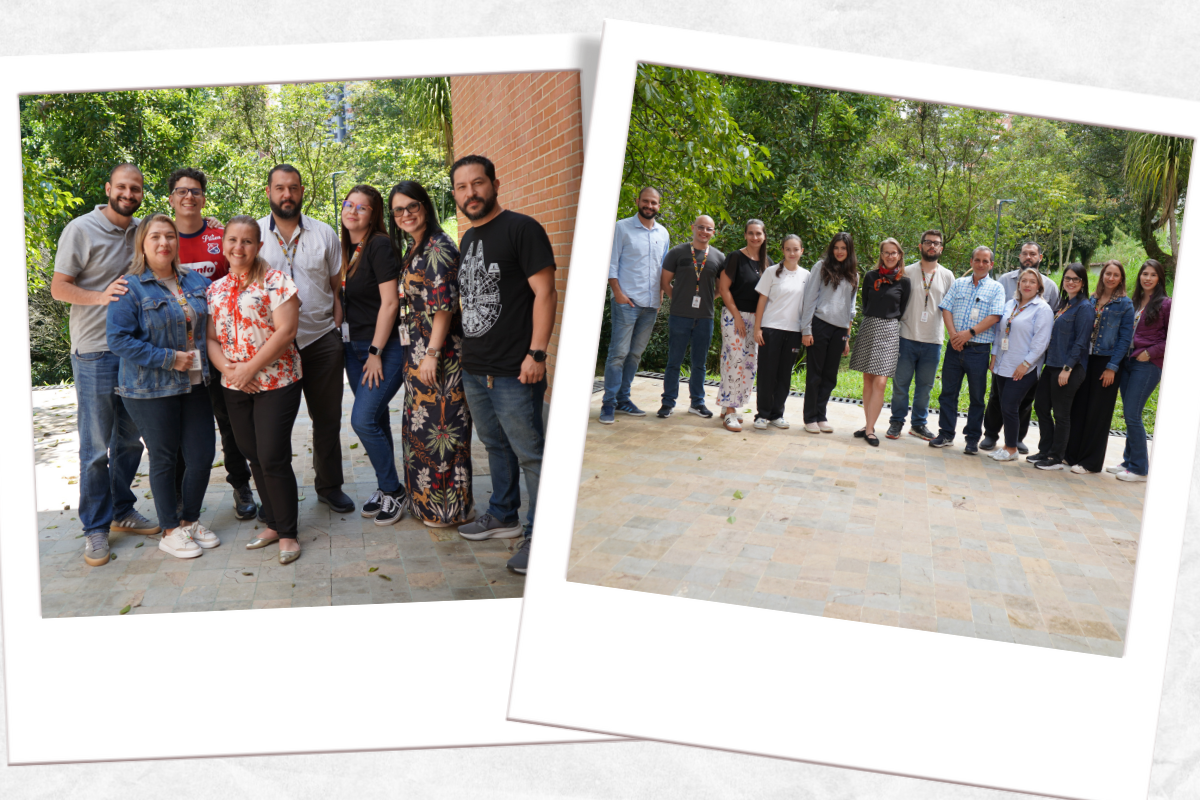
In Colombian schools, coexistence is not improvised. It is built, cared for and, above all, accompanied. This is why there is a School Coexistence Committee, a body that is required by law - 1620 of 2013 - to look after the well-being of the entire educational community and ensure that when there are conflicts or difficult situations between students, a responsible, humane and rigorous action is taken.
Who are the members of the School Coexistence Committee?
- The Headteacher (who acts as Chairperson of the Committee)
- The School´s Coexistence Coordinator (Secretary of the Committee)
- The Student Representative
- The President of Cecam (Student Council)
- A trusted teacher (elected by the students)
- A representative of the Parents' Council (also elected by their peers).
- The counsellors and Heads of Section
When the Committee meets in general - at least four times a year - all representatives participate. But in specific cases, an extraordinary meeting depends on the section where the situation occurs and, on these occasions, the Director of the corresponding section is also involved. This ensures that decisions are taken from a close knowledge of the context.
What is the role of the School Coexistence Committee?
There are two main lines of action: preventive and care.
In terms of prevention, the committee designs and promotes strategies to strengthen coexistence. Campaigns, spaces for reflection, workshops and teaching sessions are part of this silent but fundamental job, which seeks to build a school culture based on respect, empathy and peaceful conflict resolution.
The Committee acts when someone - be it a student, teacher or family member - reports a situation that affects coexistence: a conflict between peers, a case of bullying or an aggression. The important thing is that anyone can activate the process and there is immediate attention, even if the resolution takes time.
How are cases dealt with? Typifications and processes
When the committee receives a case, the first step is to investigate the situation with all the parties involved, take protective measures and then categorize the case. There are three levels or types of conflictive situations, as defined by Law 1620 of 2013:
- Type 1: Poorly managed school conflicts. Here, strategies such as mediation are activated, which may be carried out by teachers, the counsellor, the student representative or students in the mediation programme.
- Type 2: Aggression or bullying. These situations must be repetitive or cause physical or mental damage. Here we act with greater formality and care, always guaranteeing the accompaniment of all parties where the committee must obligatorily report these situations to the Unified Information System for School Coexistence (SIUCE).
- Type 3: Offences. In these cases (such as sexual violence, drug possession or consumption, theft, or physical aggression that generates incapacity), the Committee must obligatorily report to the Unified Information System for School Coexistence (SIUCE) and activate legal routes with the Childhood Police or the Prosecutor's Office.
Although the process may seem lengthy, it is not in terms of service. As the Coexistence Coordinator of the Deutsche Schule Medellín (German School Medellín), Elizabeth Muñoz, explains: "The situation is dealt with immediately. Protective measures are taken from the very first moment. What reaches the committee is everything that has already been done: interviews, reports endorsed by parents, actions taken. The committee analyses, decides and communicates".
The importance of confidentiality and the human approach
Each member of the committee signs a confidentiality agreement, including under-age students, such as the student representative or the Cecam representative, in which case the signature is accompanied by that of their parents. No one outside the team is allowed to know the information without authorization. Everything is handled confidentially, with the protection of those involved in mind. Moreover, the language used within the committee also reflects this approach: there is no talk of ‘victims’ and “perpetrators”, but of ‘students involved’. The emotional and social dimension of each case is recognized, beyond a legal category.
The voice of the students also counts
For Emma Velasco, student representative of the Deutsche Schule Medellín (German School Medellín), her role in the committee is twofold: to represent her fellow students and to contribute a different perspective. "We have a better understanding of the social context of the students, what they experience on a day-to-day basis. That is also important for understanding the cases”.
Emma recognizes that sometimes students expect immediate solutions, but stresses that the process is careful, fair and necessary: "As a student, you only see the result, but behind it there are many hours of analysis, meetings, conversations with parents, shared decisions. All of that takes time, because it must be well done”.
School coexistence: Everyone's task
The School Coexistence Committee is a clear demonstration that at Deutsche Schule Medellín (German School Medellín) coexistence is not left to chance. It is built by everyone, with clear rules, active participation and a deep commitment to the common good. Because living together is not just about sharing a space, it is learning to take care of each other.
Are you interested in your son or daughter growing up in an environment where respect, dialogue and care are part of their education? Find out more about the admissions process on the admissions page of the Deutsche Schule Medellín (German School Medellín). Click here